Korea eats more instant noodles per person than almost anywhere else, and our noodle aisle shows it. Here is how to find your way around, from the classic packets to the noodles Koreans cook from scratch.
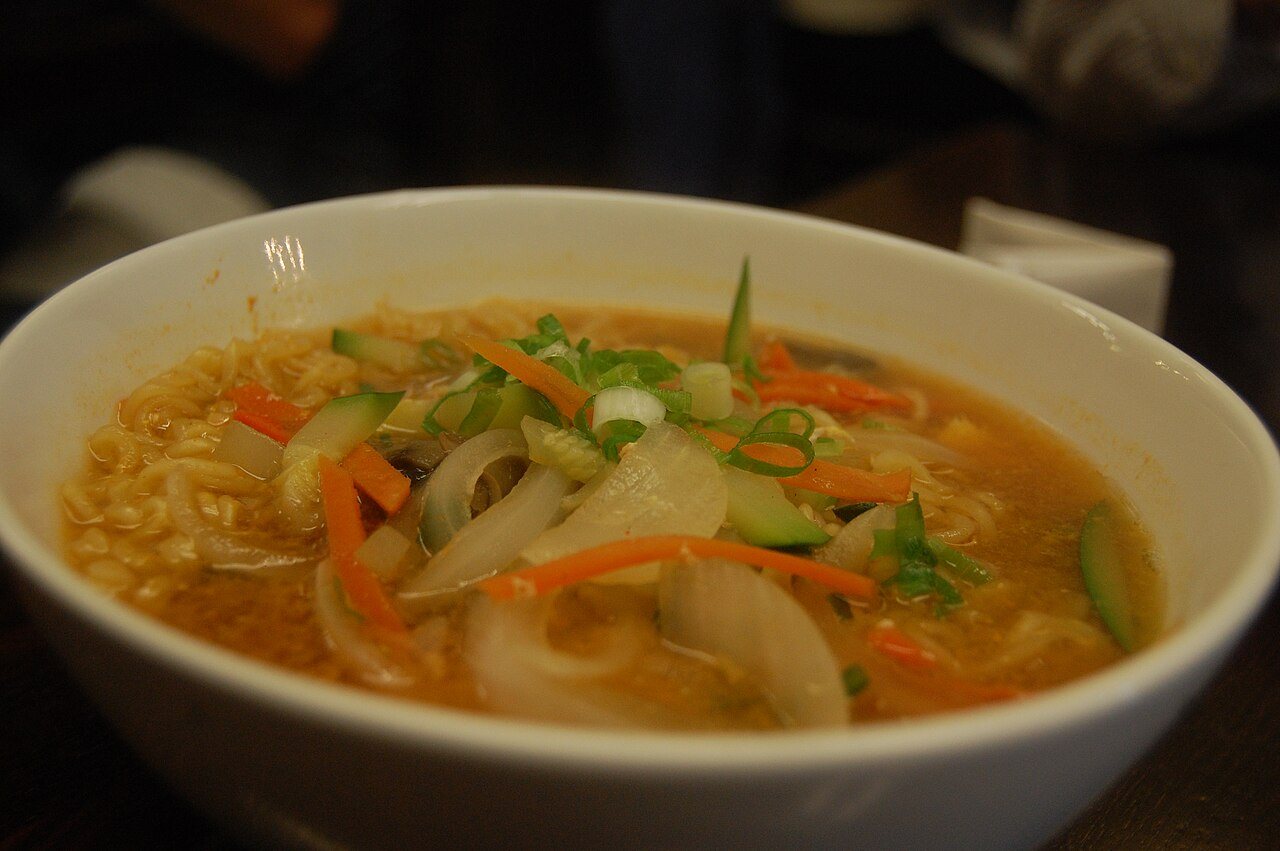
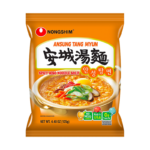
Ramyeon (라면, also spelt ramyun or ramen on packs) usually comes as a block of fried noodles with a soup sachet and a sachet of dried vegetables. Packs give the water and timing, usually around 500 to 550ml and 4 to 5 minutes, but check yours. Spice levels vary a lot, so if you are new to Korean food, start with a milder pack and work up. Here are good places to start:
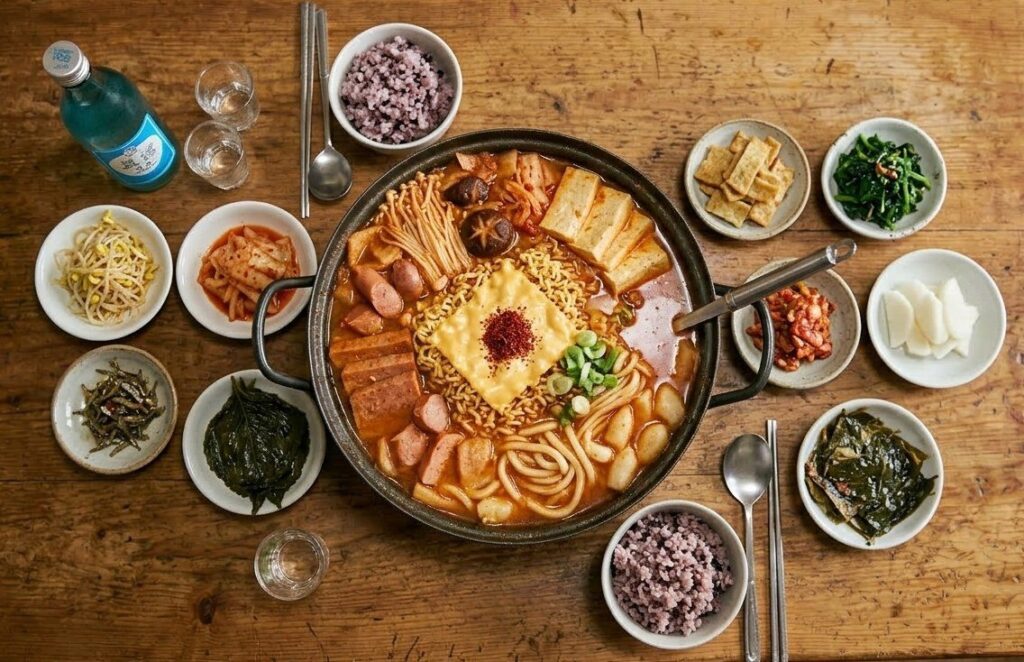
Crack in an egg for the last minute, add spring onion, a handful of kimchi or leftover vegetables, or lay a cheese slice on top just before serving. For a full meal, ramyeon goes into the pot in our Army Stew.
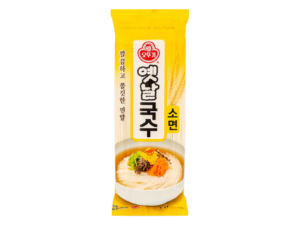
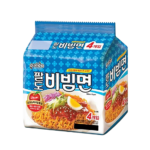
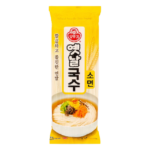
Very thin wheat noodles that cook in a few minutes. Rinse them well in cold water after cooking. Served in a warm anchovy broth they become janchi guksu (‘party noodles’). Use them for spicy Bibim Noodles or our Korean Chilled Chicken Noodle Soup.
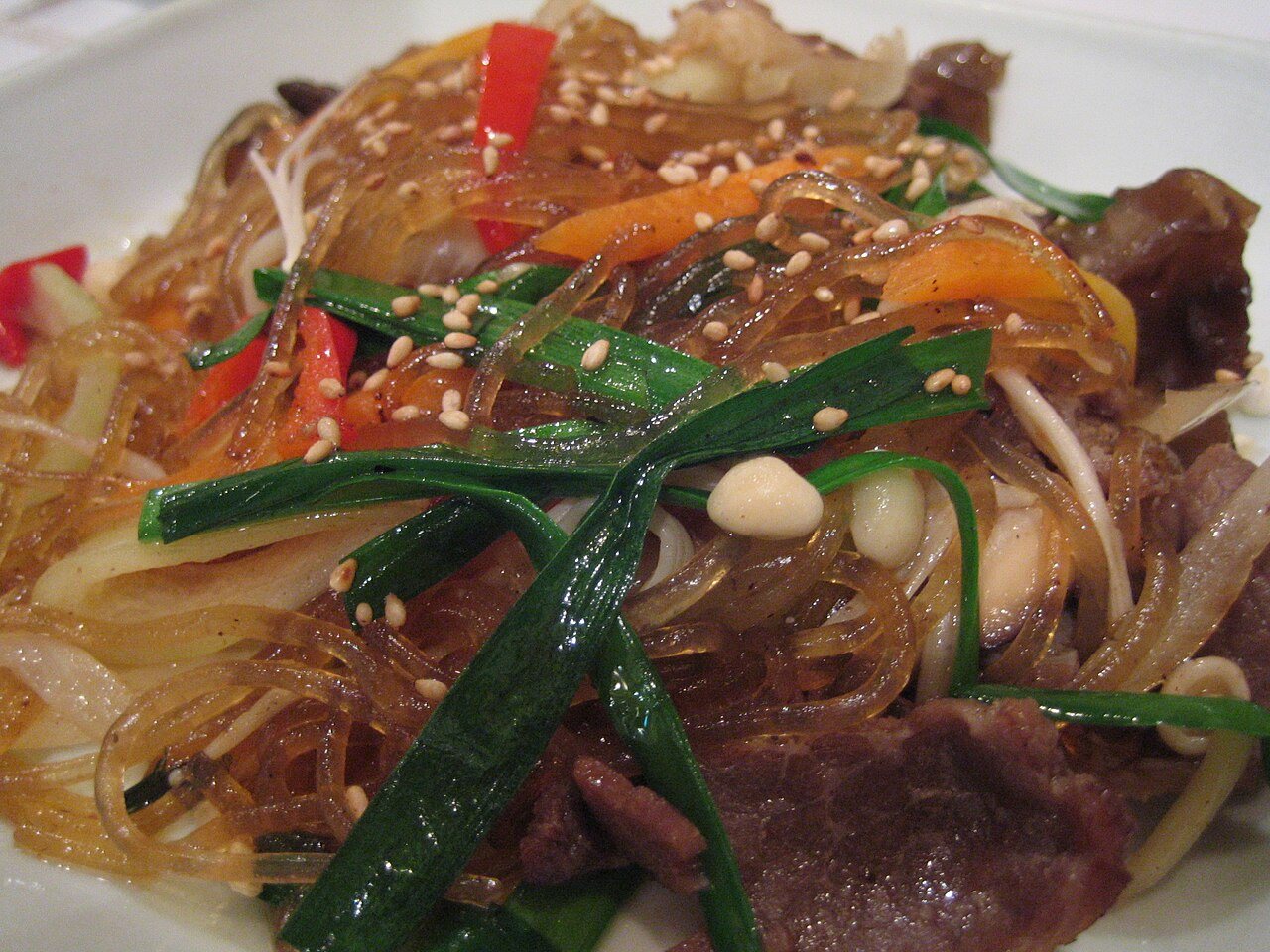
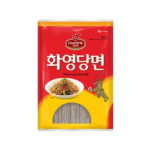
Chewy, see-through noodles usually made from sweet potato starch. They are the star of Japchae, stir-fried with vegetables, and also go into Dakbokkeumtang.
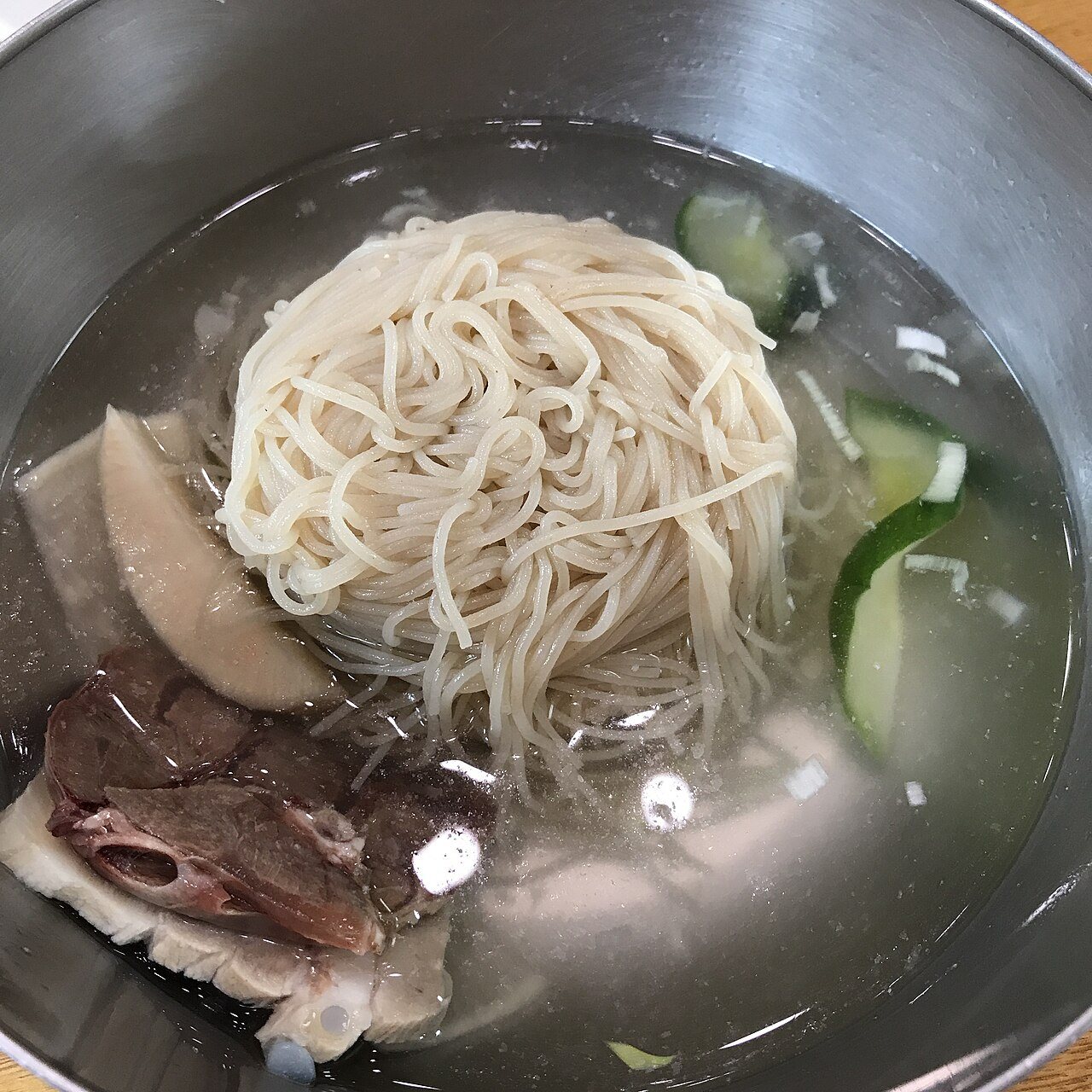
Thin, chewy noodles, often made with buckwheat, served in an icy broth (mul naengmyeon) or with a spicy sauce (bibim naengmyeon). A kit with broth is the easiest way to try it. Buckwheat noodles also work in our Jaengban Makguksu.
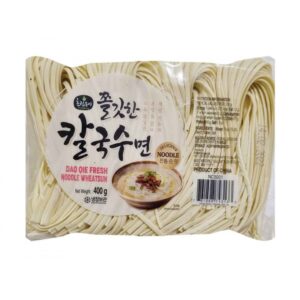
Kalguksu are soft wheat noodles served in a hot broth; try Bajirak Kalguksu with clams. Jjolmyeon are very chewy noodles served cold with a spicy sauce. Thick, bouncy udon is popular in Korea too.
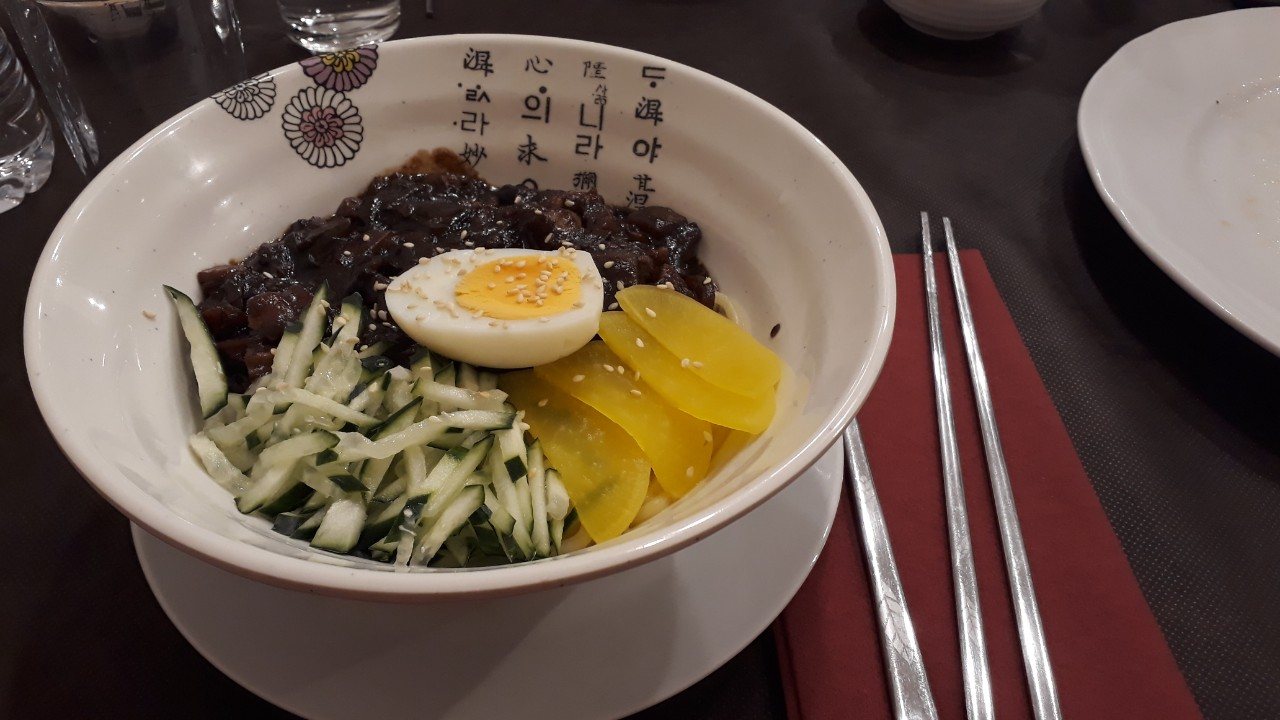
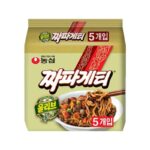
A Korean-Chinese favourite: noodles in a thick, savoury black bean sauce. Instant versions get you there in minutes.
Making your own noodle soup? Sempio Noodle Soup Sauce (Anchovy Flavour) gives you a quick broth base. For more ideas, see your first Korean pantry.