You don’t need a full cupboard to start cooking Korean food. With the seven things below you can make bibimbap, quick stews, fried rice, dipping sauces and plenty of side dishes. Buy them once and most will keep for weeks, or months in the fridge.
If you only pick up three things today, make them gochujang, soy sauce and sesame oil. Mixed together with a little sugar and water, they make a quick sauce for noodles, rice bowls and stir-fried vegetables. Everything below is in our stores, and each item links to its product page.
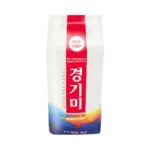
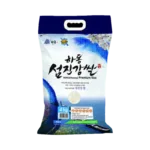
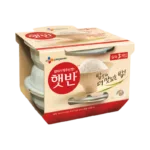
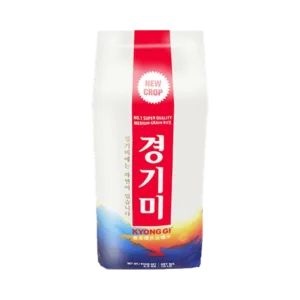
Korean meals are built around a bowl of rice (bap). Korean rice is a short or medium grain that turns soft and slightly sticky when cooked, so it holds together well. Rinse it in cold water two or three times until the water runs almost clear, then cook. If you don’t have a rice cooker, microwavable pouches are a handy back-up.
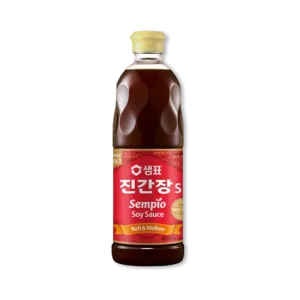
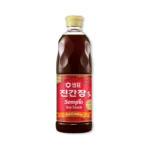
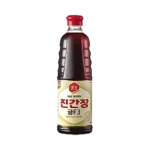
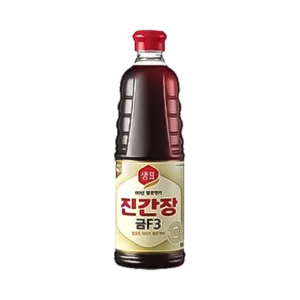
Korean shops sell several kinds. All-purpose soy sauce (jin ganjang) is the everyday one for marinades, braises and stir-fries. Naturally brewed soy sauce (yangjo ganjang) is good for dipping sauces and dressings. Soup soy sauce (guk ganjang) is lighter in colour but saltier, so use less.
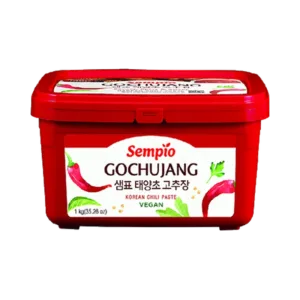
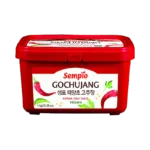
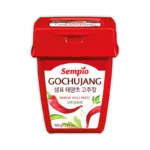
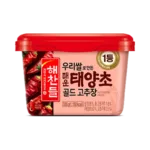
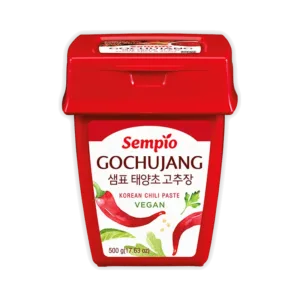
A thick, fermented red chilli paste that is sweet, savoury and hot all at once. Stir it into stews, mix it with sesame oil and a little vinegar for bibimbap sauce, or use it in marinades. Read more in our guide to Korean pastes.
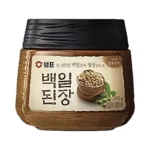
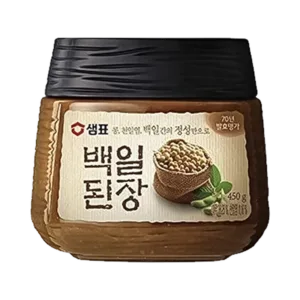
Fermented soybean paste: brown, salty and deeply savoury. It is the base of doenjang jjigae (soybean paste stew) and soups, and a little adds depth to sauces and marinades.
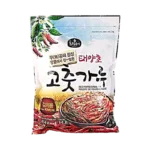
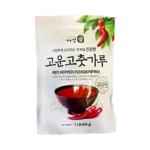
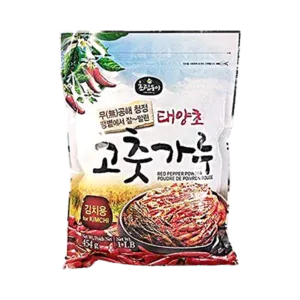
Dried red chilli, ground into flakes or powder. Coarse flakes are used for kimchi, soups and seasoning; fine powder gives smoother sauces. Heat varies from pack to pack, so add a little at a time and taste as you go.
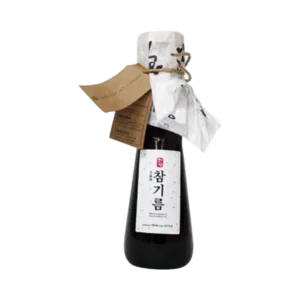
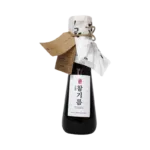
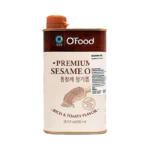
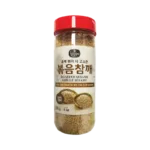
Toasted sesame oil has a strong, nutty smell. A small drizzle goes in at the end of cooking or into dressings, rather than being used for frying. Roasted sesame seeds go on almost everything as a finishing touch.
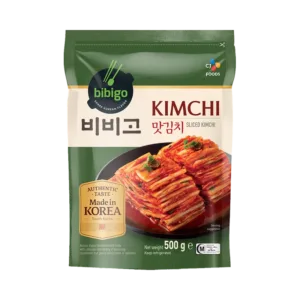
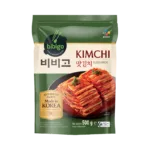
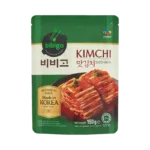
Fermented, seasoned vegetables, most often napa cabbage. Eat it on the side, or cook with it: older, sourer kimchi is ideal for fried rice, pancakes and stews. See our kimchi guide.
 Minced garlic: Korean cooking uses a lot of garlic, and a tub saves time on busy evenings.
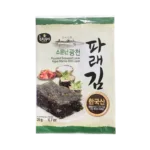 Roasted seasoned seaweed (gim): eat it with rice or crumble it over fried rice.
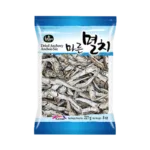 Dried anchovies and dried kelp: simmer them in water for a simple stock for soups and stews.
Gochujang and doenjang keep for a long time, but check the label: most tubs should go in the fridge once opened. Press the surface flat and close the lid tightly.
Once you have the basics, try Army Stew (budae jjigae), which uses gochujang, gochugaru, soy sauce and kimchi in one pot, or Bibimbap, which uses rice, soy sauce, sesame oil and gochujang. Next, find out which noodles to try in our noodles and ramyeon guide.
Rice and soup are your own, but the small side dishes (banchan) go in the middle of the table for everyone. In Korean restaurants they are usually refilled for free.