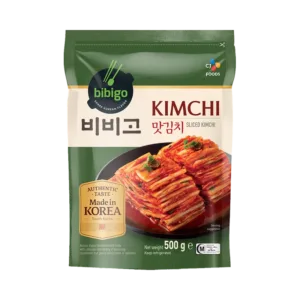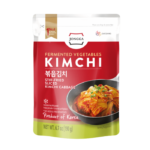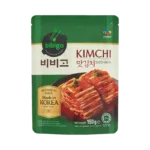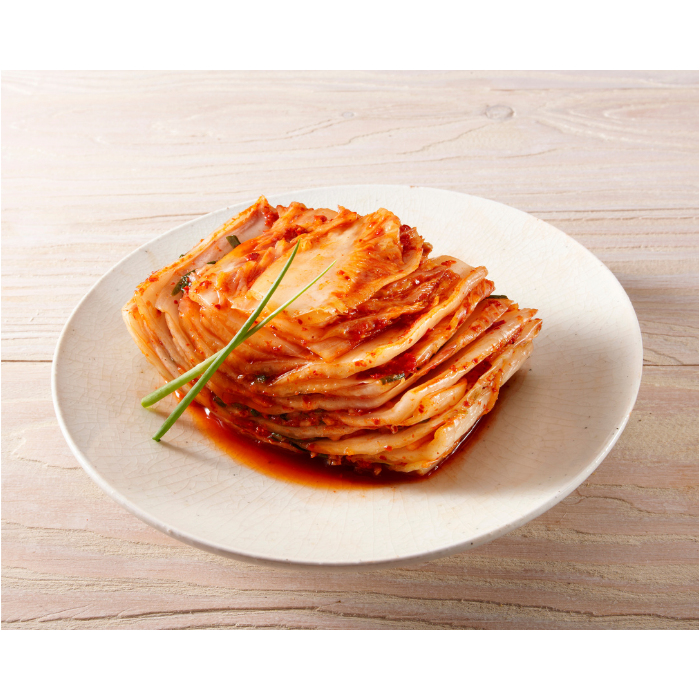
Kimchi is the name for a whole family of Korean salted and fermented vegetables, and there are hundreds of kinds. Making and sharing kimchi for winter, known as kimjang, is on UNESCO’s list of intangible cultural heritage. In Korean homes it appears at almost every meal, and in the kitchen it is an ingredient as much as a side dish.
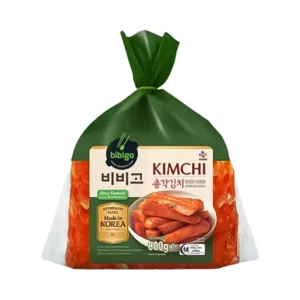
In our chilled section you’ll mostly find cabbage kimchi, either ready-sliced (mat kimchi) or as whole quarters of cabbage (pogi kimchi). These are the other kinds worth knowing.
The one most people mean when they say kimchi. Cabbage is salted, then coated in a paste usually made with gochugaru, garlic, ginger and spring onion. Ready-sliced packs are the easiest way to start.
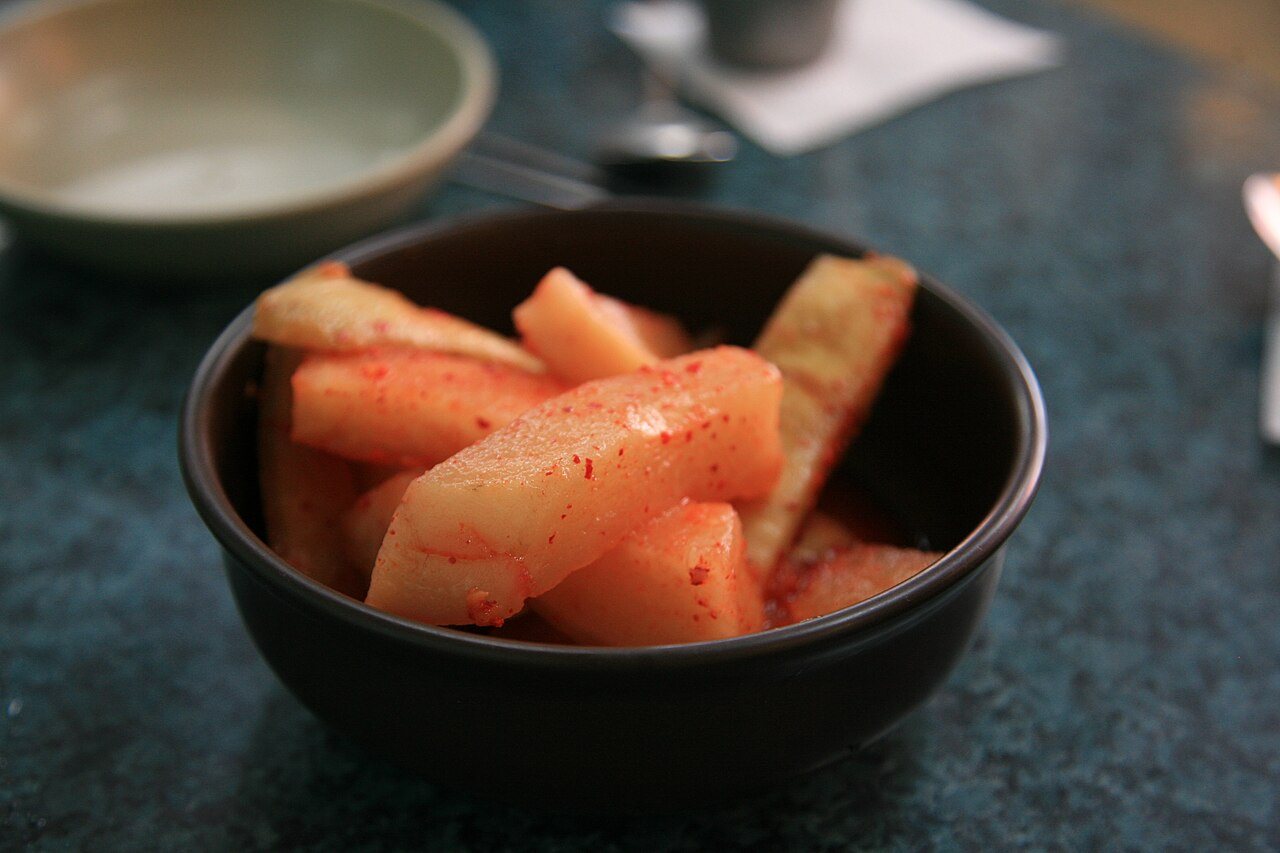
Chunks of Korean radish in a similar red seasoning. It is crunchy, juicy and slightly sweet, and great alongside soups or chopped into fried rice.
Small whole radishes with their leaves still on. Firm and very crunchy; cut them into bite-sized pieces to serve.
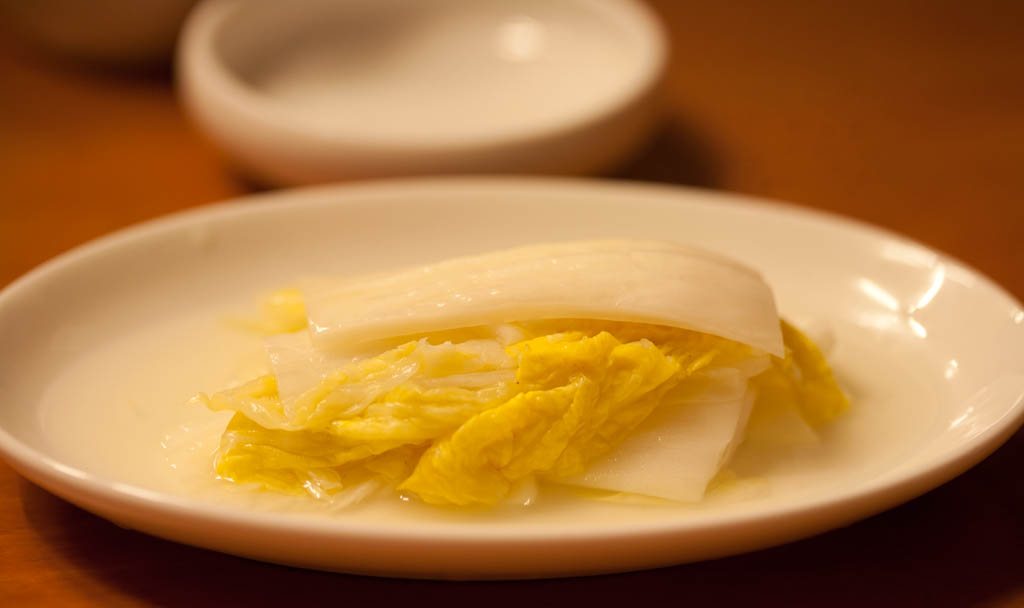
Made without chilli, so it is mild, clean-tasting and a good choice for children or anyone who doesn’t like heat. It is often made with slices of Korean pear, and sometimes chestnut or jujube.
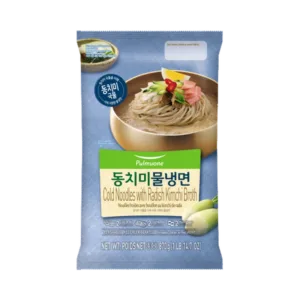
Radish in a clear, tangy brine. The chilled liquid is used as a broth for cold noodles (naengmyeon).
Kimchi keeps fermenting slowly in the fridge. Freshly made kimchi is crunchy and bright; after a few weeks it becomes softer and more sour. Older kimchi isn’t past its best: it is the one Koreans reach for when cooking, because the sourness gives stews and fried rice their flavour. If a pack tastes too sour to enjoy on its own, that’s your cue to cook with it.
Keep kimchi in the fridge and use a clean spoon or chopsticks. Packs can build up gas, so open them slowly over the sink. Press the kimchi down under its juice, and don’t throw the juice away: it is great in pancake batter and fried rice.
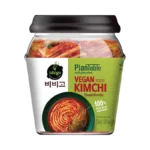
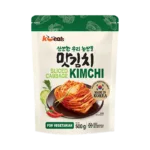
Traditional cabbage kimchi often contains fish sauce or salted shrimp, so check the ingredients. For a plant-based option try CJ Bibigo Sliced Vegan Kimchi or K-Eats Sliced Cabbage Kimchi (Vegetarian), or make your own with our Vegan Kimchi recipe.
Every late autumn, families and neighbours get together to make a winter’s supply of kimchi. Kimjang is on the UNESCO list of intangible cultural heritage.