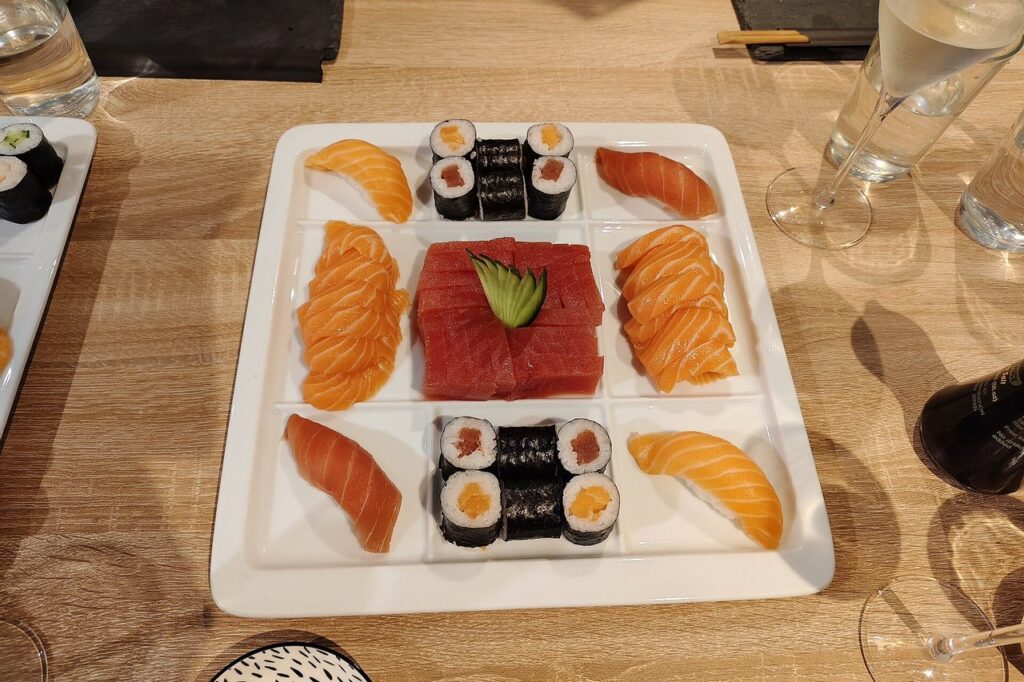
Homemade sushi does not have to mean raw fish. Some of the best first rolls use cucumber, avocado, cooked prawns or tuna mixed with mayonnaise. What matters most is the rice: cooked well, seasoned while warm, and cooled to room temperature before you roll.
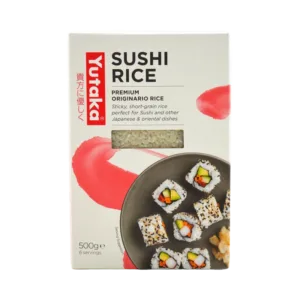
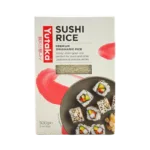
Use short-grain sushi rice; long-grain rice will not stick together. Rinse it until the water runs almost clear, cook it, then spread it out in a wide bowl while you add the seasoning.
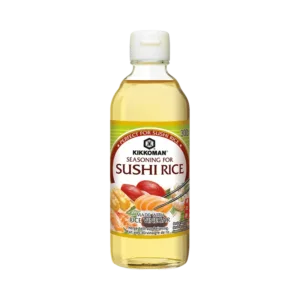
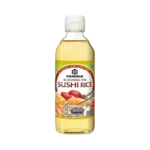
Sushi rice is seasoned with sweetened rice vinegar. A ready-mixed seasoning for sushi saves measuring: gently fold it through the warm rice with a slicing motion, using the amount on the label, then let it cool.

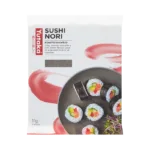
Nori are sheets of roasted seaweed. Lay a sheet shiny side down on your mat, so the shiny side ends up on the outside of the roll. Keep opened nori in a sealed bag so it stays crisp.
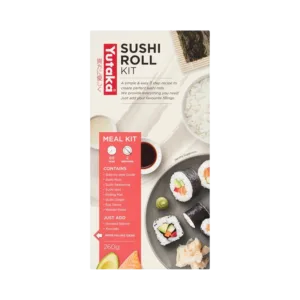
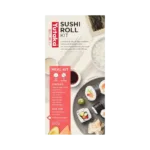
If it is your first time, a sushi roll kit puts the basics in one box. Check the box for what is inside and what you need to add.
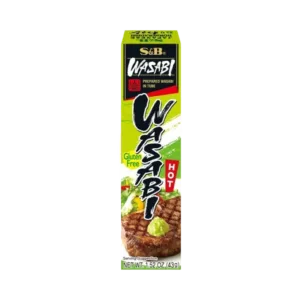
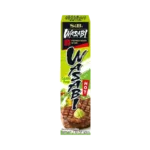
Most wasabi in tubes, including this one, is a wasabi-flavour horseradish paste. It is hot and sharp, so use a tiny amount, either inside the sushi or mixed into your soy sauce.
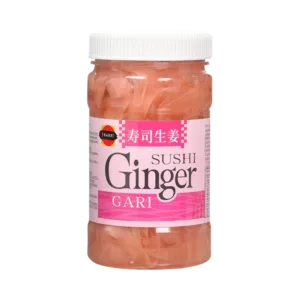
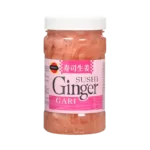
Thin slices of sweet pickled ginger are eaten between pieces of sushi to refresh your palate, not piled on top.

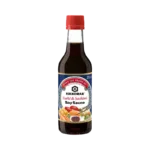
Pour a little into a small dish. Dip the fish or filling side, not the rice, so the roll does not fall apart or soak up too much salt.
 Inari pouches: Inari-age are sweet, seasoned fried tofu pouches. Open one up and fill it with sushi rice: no rolling needed, so they are great for children and lunch boxes.
Only use raw fish that is sold as suitable for eating raw (sushi or sashimi grade), keep it in the fridge and eat it the same day. Cooked prawns, smoked salmon and vegetables are easy alternatives.
Stock up on the basics with your first Japanese pantry.
Many families eat toshikoshi soba (“year-crossing noodles”) on 31 December. The long noodles stand for a long life.