Japanese home cooking leans on a small set of flavours: soy sauce, mirin, dashi and miso. With those, plus good rice, you can make miso soup, teriyaki, noodle broths, rice bowls and simple simmered dishes. Most of the things below keep for months in the cupboard, or in the fridge once opened.
If you only pick up three things today, make them soy sauce, mirin and dashi. Everything below is sold in our stores (stock varies by store), and each item links to its product page.
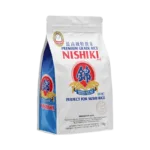
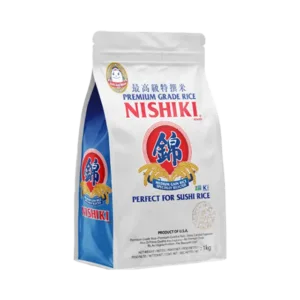
Japanese rice is short-grain and turns soft and slightly sticky when cooked, so it is easy to eat with chopsticks. Most rice should be rinsed in cold water until the water runs almost clear. Nishiki Musenmai is no-rinse rice (that is what musenmai means), so it can go straight into the pan or rice cooker.
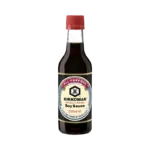
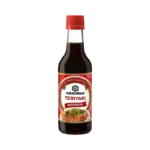
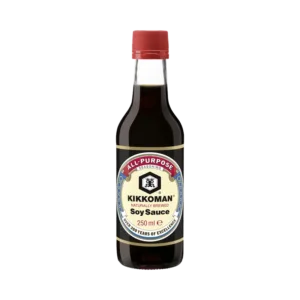
Japanese soy sauce is naturally brewed from soybeans and wheat. Use it for cooking, marinades and dipping. For a quick teriyaki, a bottle of teriyaki sauce does the job, or make your own with soy sauce, mirin and a little sugar (see the tip below).
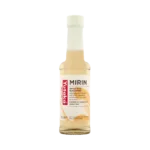
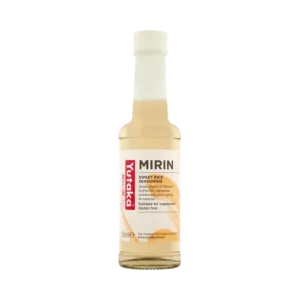
Mirin is a sweet rice seasoning. It adds gentle sweetness and a glossy finish to glazes, noodle broths and simmered dishes, and it balances the saltiness of soy sauce.
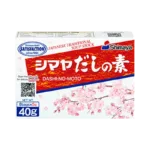
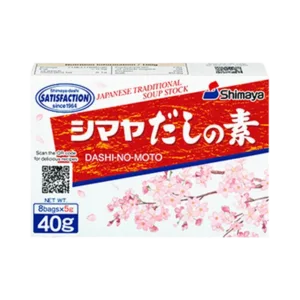
Dashi is the light soup stock behind miso soup, noodle broths and many simmered dishes. Making it from scratch takes kombu seaweed and dried fish flakes, but instant dashi granules are what many Japanese home cooks use day to day. Stir a sachet into hot water, using the amount on the pack.
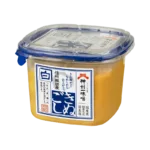
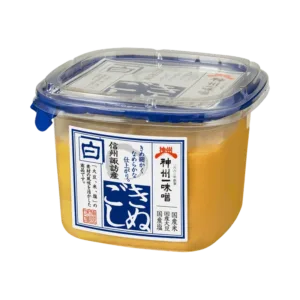
Miso is a fermented soybean paste. White (shiro) miso is mild and slightly sweet, a good first miso. For miso soup, warm some dashi, take it off the boil and stir in the miso until it dissolves. Boiling miso dulls its flavour. Miso also makes a good marinade for salmon, aubergine and chicken.
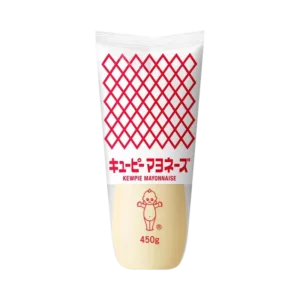
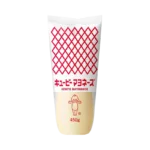
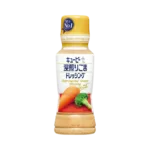
Kewpie mayonnaise is richer and tangier than most British mayonnaise. It goes on okonomiyaki and takoyaki, into tuna-mayo rice balls and sushi fillings. Roasted sesame dressing is creamy and nutty: try it on salads, cold noodles and tofu.
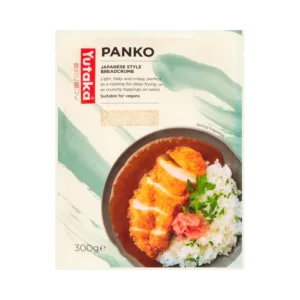
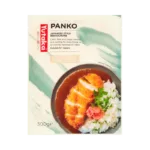
Panko are light, coarse breadcrumbs that fry up crisper than ordinary breadcrumbs. Dip chicken or pork in flour, then beaten egg, then panko, and shallow-fry for katsu.
 Japanese curry roux: Japanese curry is thick, mild and slightly sweet, and the roux blocks make it easy. Soften onion, carrot, potato and meat in a pan, add water and simmer until tender, then break in the roux and stir until it thickens.
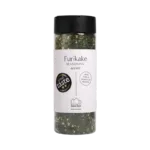 Furikake: Furikake is a dry seasoning to sprinkle over plain rice. Nori (seaweed) furikake is a good place to start.
Mix 2 tablespoons each of soy sauce and mirin with 1 teaspoon of sugar. Fry chicken thighs or salmon until nearly cooked, pour the sauce into the pan and let it bubble until sticky and glossy.
Try our guides to Japanese noodles and sushi at home.
A traditional home meal is ichiju-sansai: rice, one soup (often miso) and three small dishes. Washoku is on the UNESCO list of intangible cultural heritage.