Japan has four noodles you will see on our shelves again and again: ramen, udon, soba and yakisoba. They are made from different flours and suit different dishes, but none of them is hard to cook at home.
| Noodle | Made from | Good for |
|---|---|---|
| Ramen | Wheat, with alkaline water that makes them springy | Hot soups: tonkotsu, miso, soy |
| Udon | Wheat; thick and soft | Hot broths, stir-fries, cold with a dip |
| Soba | Buckwheat, often mixed with wheat | Cold with a dipping sauce, or hot in a broth |
| Yakisoba | Wheat; ramen-style noodles | Stir-fried with pork, cabbage and sauce |
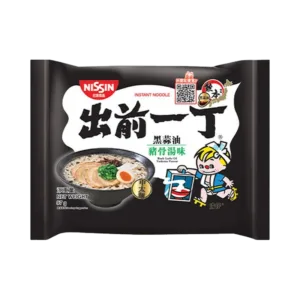
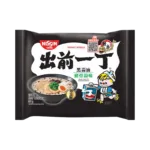
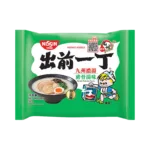
The quickest bowl. Tonkotsu means a rich pork bone style soup. Cook the noodles as the pack says, then make it a meal with a soft-boiled egg, spring onion, a sheet of nori or some leftover roast pork.
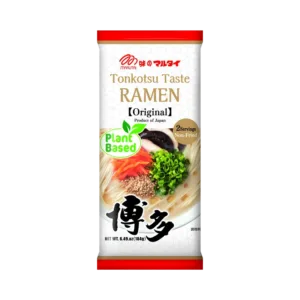
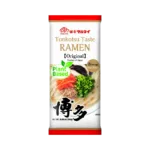
Hakata, in Fukuoka, is famous for thin, straight noodles in a creamy tonkotsu soup. This pack has dried noodles and soup for two bowls, and cooks in a few minutes.
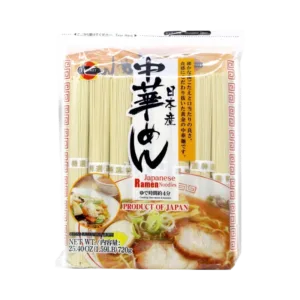
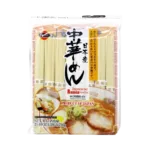
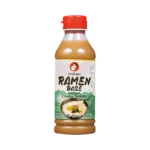
For more control, cook chuka soba (another name for ramen noodles) and pour over a concentrated ramen soup diluted with hot water as the label says. Add your own toppings.
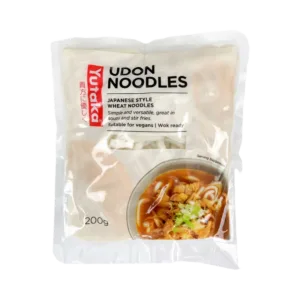
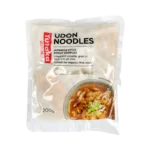
Udon are thick, soft wheat noodles. Wok-ready udon are already cooked: loosen them in hot water or add them straight to a wok. Dried udon need boiling first. Serve in a hot dashi and soy broth with spring onion, or stir-fry with vegetables and soy sauce (yaki udon).
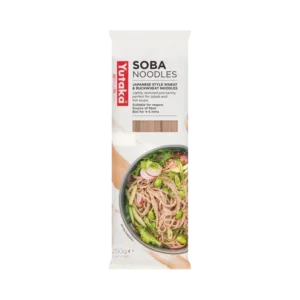
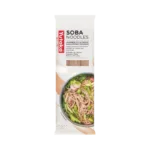
Soba are thin noodles made with buckwheat flour, usually mixed with wheat. After boiling, rinse them well in cold water to wash off the starch. In summer they are eaten cold with a dipping sauce; in winter, hot in a broth. Because most soba contain wheat, they are not gluten-free.
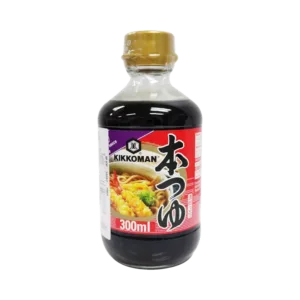
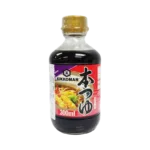
Tsuyu is a ready-made base of soy sauce, mirin and dashi. Dilute it a little with water for a dipping sauce for cold soba or udon, or more for a hot noodle broth. The label tells you how much water to add for each.
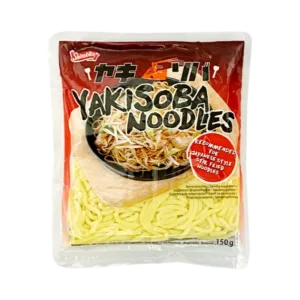
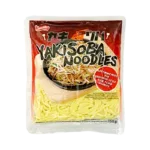
Despite the name, yakisoba are wheat noodles, not buckwheat. Stir-fry thin slices of pork with cabbage, carrot and onion, add the noodles and a splash of water to loosen them, then season. Check your pack: some yakisoba noodles come with a sauce sachet.
Boil soba, rinse under cold running water until cool, and drain well. Serve with tsuyu diluted for dipping, plus chopped spring onion and a little wasabi.
New to Japanese cooking? Start with your first Japanese pantry.
Slurping hot noodles cools them down and is seen as enjoying your food, not bad manners.