Walk down our sauce aisle and you’ll see stacks of red, brown and green tubs. Most of them are jang, Korea’s fermented pastes and sauces. Three are worth knowing first: gochujang, doenjang and ssamjang. They are often used together, but each does a different job. Korean families have made jang for centuries, traditionally fermenting them outdoors in large earthenware pots called onggi.
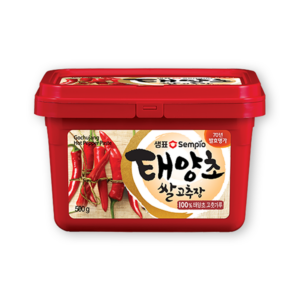
A thick red paste made from chilli powder, rice (usually glutinous rice), fermented soybean powder and salt. It tastes sweet and savoury before the heat arrives. Many tubs show a heat rating on the label, so you can start mild.
Use it for: bibimbap sauce, spicy stews, tteokbokki and marinades for pork or chicken. On its own it is quite thick, so loosen it with a little water, soy sauce, vinegar or sesame oil. Try Bibim Noodles, Dakbokkeumtang (spicy chicken stew) or Sweet and Crispy Tofu Bites.
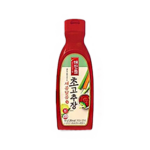
Also look for: chogochujang, gochujang mixed with vinegar and sugar, which is a ready-made dipping sauce (CJ Haechandle Vinegared Pepper Paste), and ready-to-use sauces such as CJ Spicy Gochujang Pork Sauce.
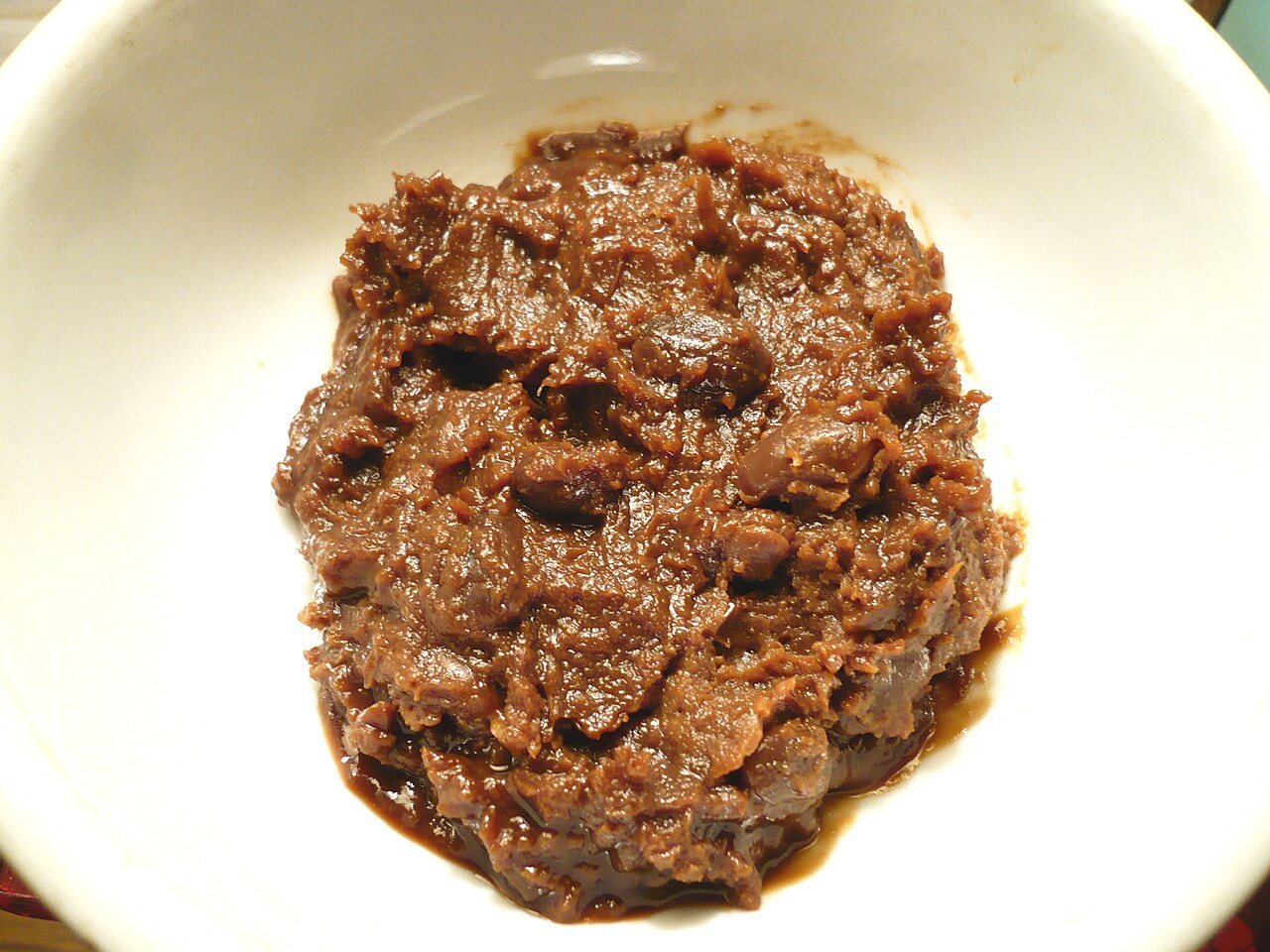
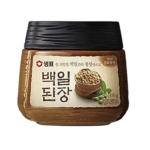
A brown fermented soybean paste. It is related to Japanese miso but is usually chunkier and has a stronger, earthier flavour. Traditionally, blocks of fermented soybeans (meju) are soaked in brine: the liquid becomes soy sauce and the solids become doenjang.
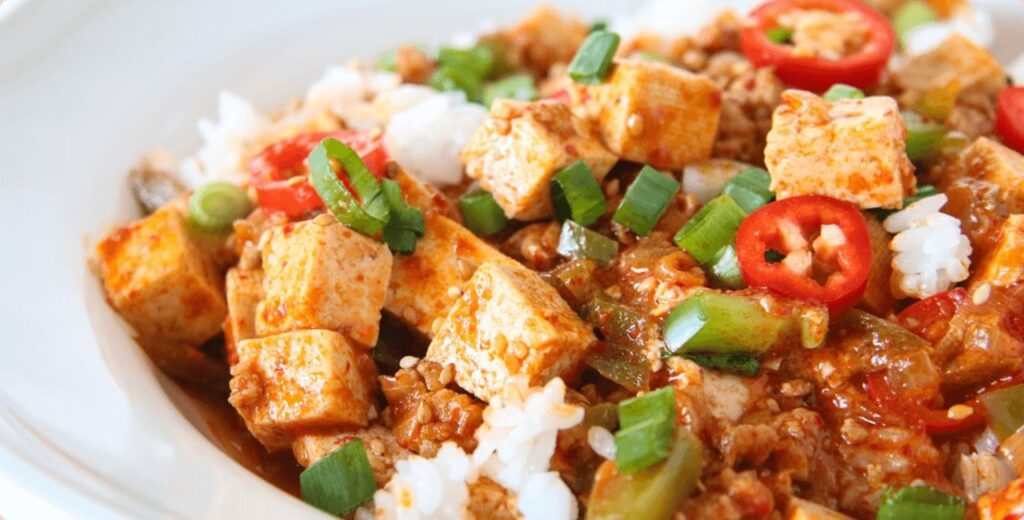
Use it for: doenjang jjigae (soybean paste stew), everyday soups, and as a savoury base in sauces. For a simple stew, stir a tablespoon or two of doenjang into anchovy stock, add diced potato, courgette, onion and tofu, and simmer until the potato is soft. Our Korean Mapo Tofu uses doenjang and gochujang together. For a short cut, try Ourhome Sauce for Korean Soybean Soup, CJ Dadam Soybean Stew Stock or Sempio Instant Soybean Paste Soup.
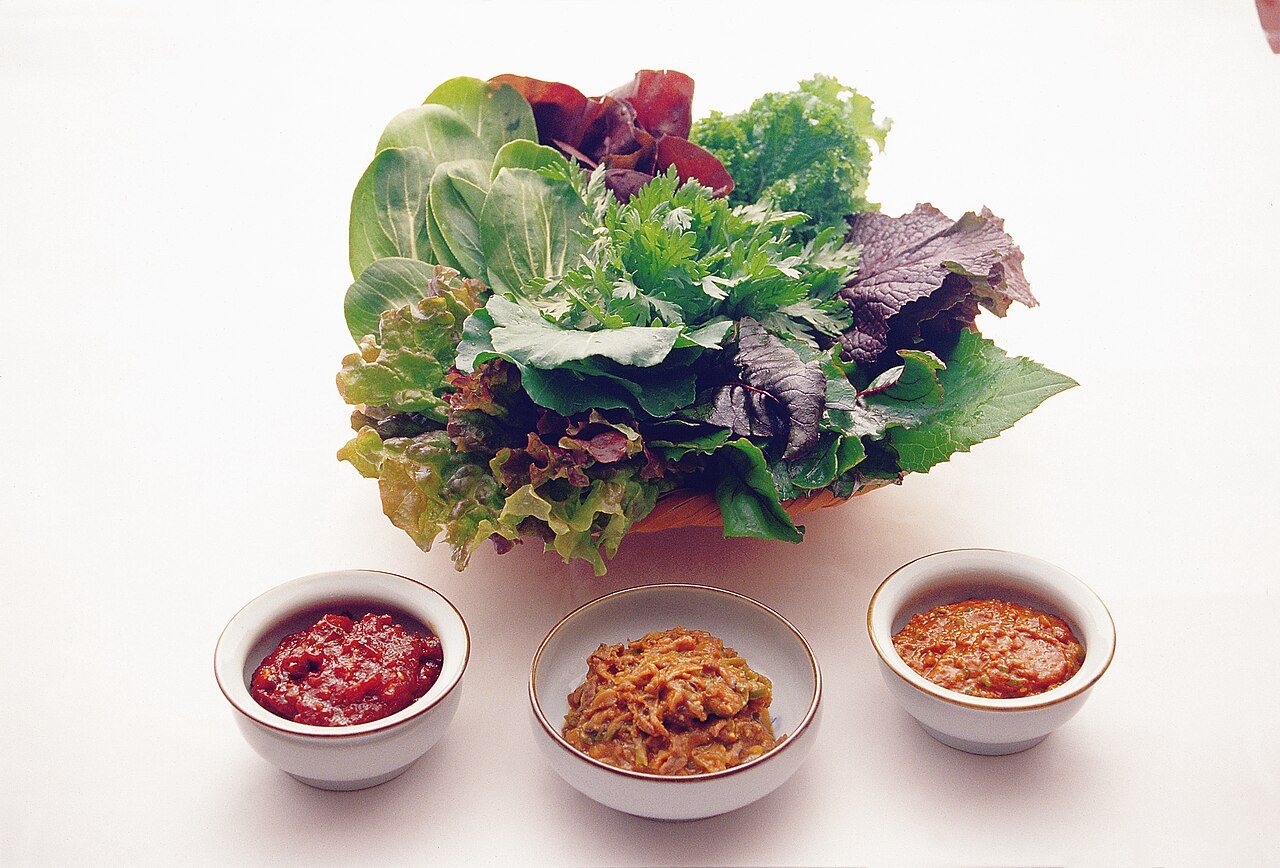
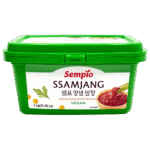
Ssam means ‘wrap’. Ssamjang is a thick dipping paste based on doenjang, mixed with gochujang and usually garlic and sesame. It is milder than gochujang and less salty than plain doenjang.
Use it for: Korean barbecue. Put a piece of grilled meat in a lettuce leaf, add a little ssamjang, wrap and eat in one bite. It is also good as a dip for cucumber, carrot and raw green chillies. If you have the other two pastes, a simple home version is two parts doenjang to one part gochujang, with a drop of sesame oil, a little garlic and some sesame seeds.
| Gochujang | Doenjang | Ssamjang | |
|---|---|---|---|
| Colour | Red | Brown | Reddish brown |
| Tastes | Sweet, savoury, hot | Salty, earthy, savoury | Savoury, mildly spicy |
| Best for | Sauces, stews, marinades | Stews and soups | Dipping and wraps |
| Spicy? | Yes, varies by tub | No | A little |
Keep all three in the fridge once opened, with the surface pressed flat and the lid on tight. Many gochujang and doenjang products contain wheat, so check the label if you avoid gluten.